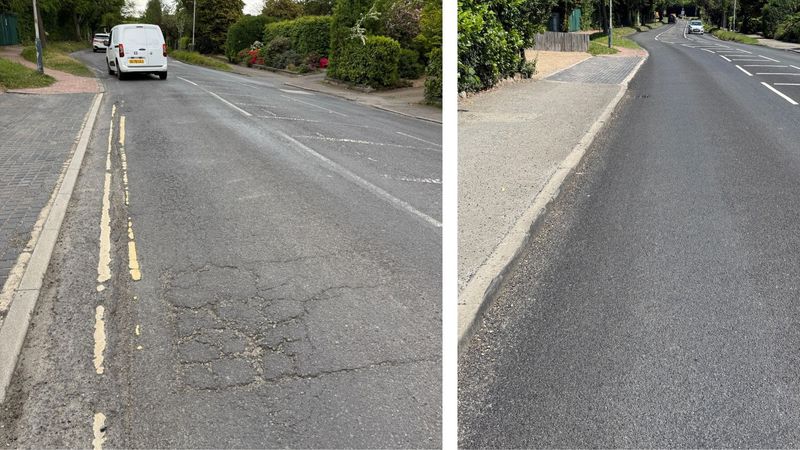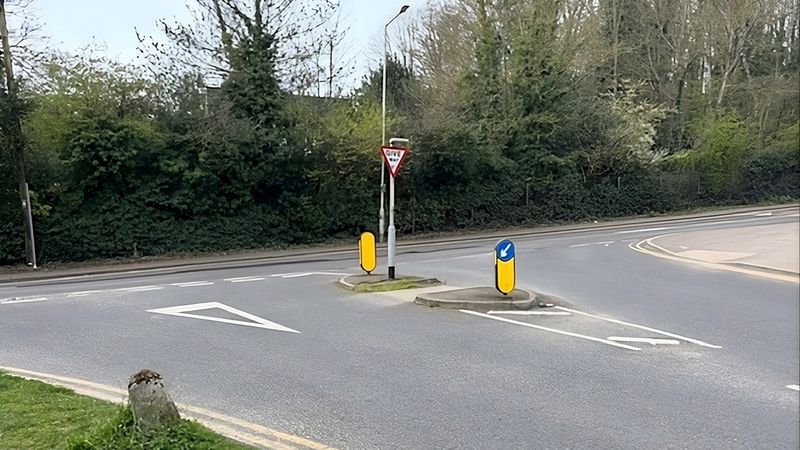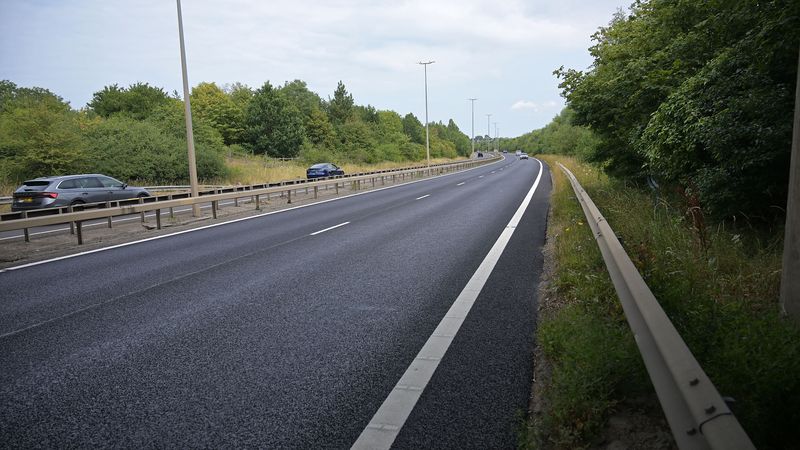
The uneven road surface was caused by movement in the clay soil beneath the road, which can expand and contract as weather conditions change. While the scheme is not a permanent solution to these long-standing issues, it has significantly improved driving conditions and road safety on affected sections of the route.
The work, which started on 2 June 2026 and finished on 21 July 2026, focussed on sections of road where repeated movement beneath it had led to increasingly uneven conditions for motorists.
Around 3.1 miles (5km) of the route was resurfaced, covering around 43,000 square metres of road surface, with 7,000 tonnes of asphalt used during the works.
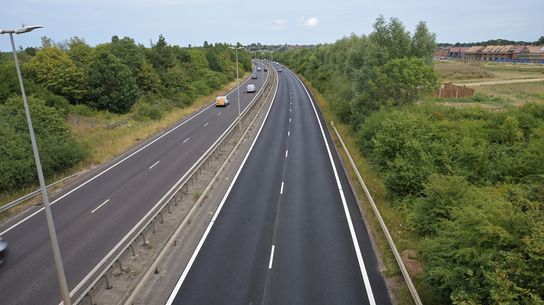
The resurfacing work on the A299 Thanet Way is now complete
The project was completed during a period of exceptionally hot weather, which meant engineers had to adapt materials and construction methods to maintain the quality of the finished road surface.
The scheme also made extensive use of recycled materials, with recycled asphalt incorporated into both the underlying structural layer of the road and the new surface itself.

“A permanent solution would need major reconstruction work costing many millions of pounds. That's not something KCC can fund on its own and we would need significant government support to make it happen.”
Peter Osborne, KCC's Cabinet Member for Highways and Transport, said: "The undulations on the Thanet Way have been an ongoing issue for years and we've had to carry out repairs before to keep the road safe and usable.
"This latest scheme has smoothed out the worst sections and drivers should notice a real improvement.
"But we've dealt with the symptoms, not the cause. The clay beneath the road expands and contracts with the weather, creating movement that eventually affects the surface above.
"A permanent solution would need major reconstruction work costing many millions of pounds. That's not something KCC can fund on its own and we would need significant government support to make it happen.
"Until then, we'll continue targeting the worst areas and doing everything we can to keep this important route safe and reliable."
A temporary 50mph speed limit will remain in place for a short period while sections of the route are prepared to return to the national speed limit.
Making the most of planned road closures
Although this major resurfacing scheme has now finished, motorists will see some further overnight closures on sections of the Thanet Way over the coming two weeks as part of KCC's high speed roads maintenance programme.
The programme will start on 27 July 2026 and will take place over eight nights (except for the weekend) and finished on 6 August 2026. It involves different highways teams using the closure to carry out a range of maintenance activities at the same time, rather than returning on separate occasions and causing repeated disruption for residents and drivers.
Work planned during these closures includes:
- street lighting maintenance
- verge and vegetation management
- gully cleansing
- smaller road repairs
- routine safety inspections and maintenance
- litter picking (carried out by the district council)
Peter Osborne added: "We understand nobody likes road closures, which is exactly why we try to make the most of them when they are needed.
"If we've got a road closed overnight, it makes sense to bring different teams together where we can so they can carry out several jobs during the same closure rather than coming back again and again. It's about making the best use of the time available, keeping costs down and minimising disruption for residents wherever we can."
Drivers should follow signed diversion routes and check for the latest travel information before setting out.