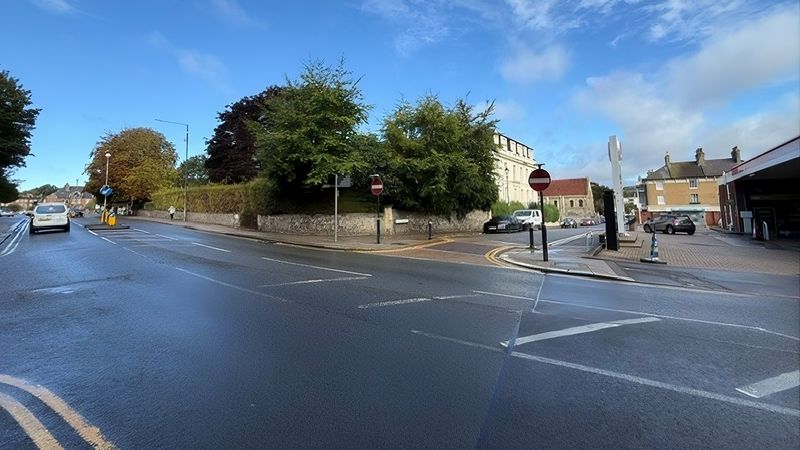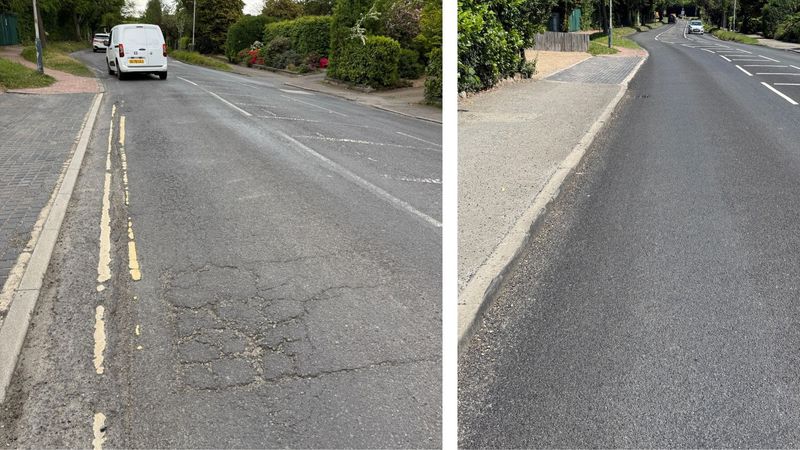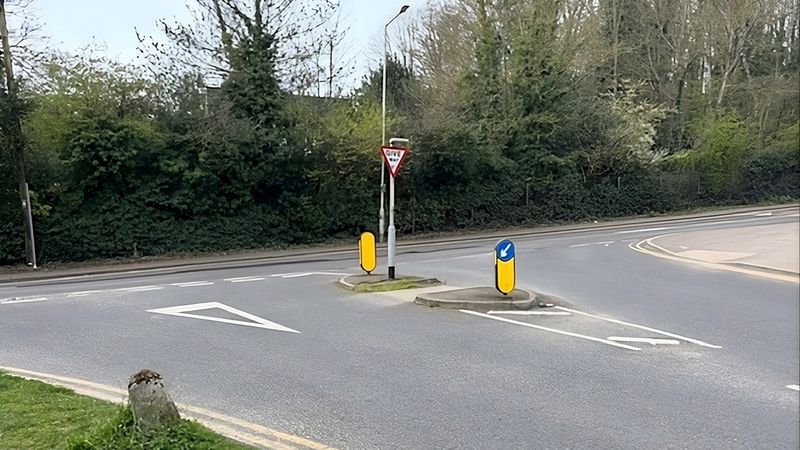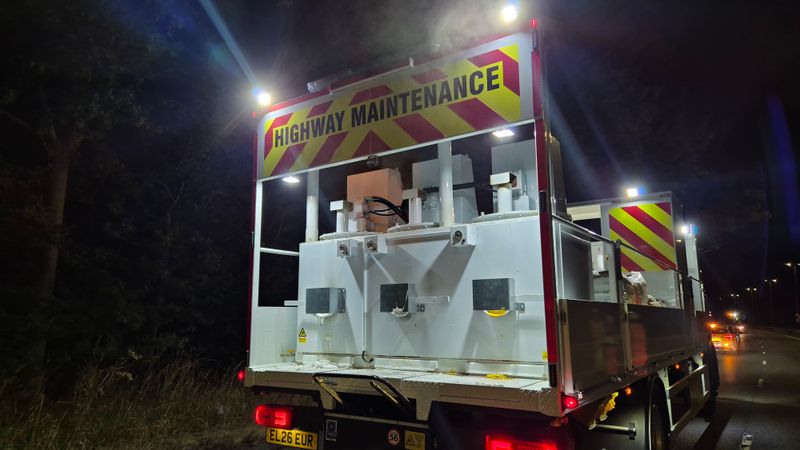
From refreshing white lines, vegetation cutting and gully cleansing, the scheme sees a number of jobs carried out overnight at 44 sites across the county.
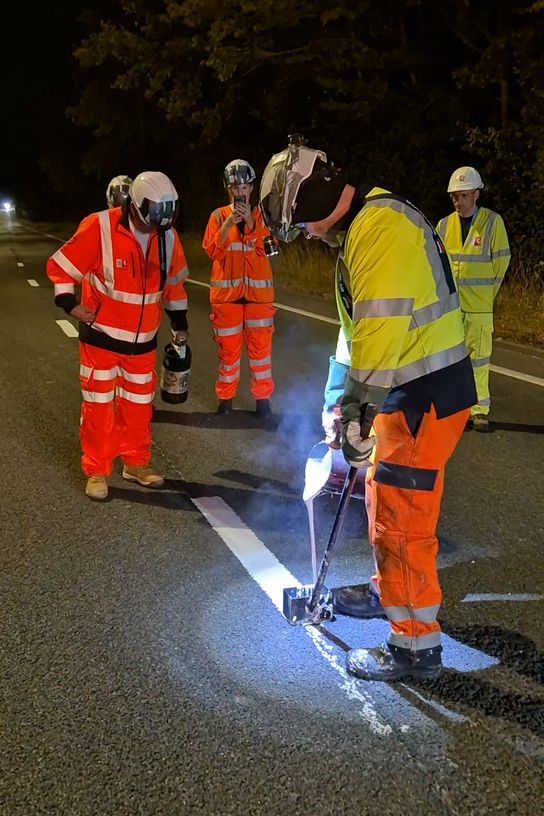
Crews refresh white lines as part of the high-speed road maintenance project
This includes roads such as Thanet Way, Blue Bell Hill, Bob Dunn Way and Lydden Hill that people rely on to get to work and school each day.
Because these roads carry large volumes of fast-moving traffic, specialist traffic management is used to safely create road and lane closures while work takes place.
Rather than scheduling multiple closures throughout the year for different types of maintenance, KCC uses each closure as an opportunity for several highways teams to work together at the same time.
This coordinated approach means a wide range of essential tasks can be completed during a single closure, reducing the need to return and helping to minimise disruption for residents, businesses and drivers.
This year, the programme started on the A28 Canterbury Road from St Nicholas to Brooksend Hill.
We still have some works planned until Thursday 24 September where we will finish this years annual programme on the A256 Sandwich Bypass, including Monks Way.
What work takes place?
While many of us are sleeping, our highways crews are busy covering a variety of maintenance activities designed to keep roads safe, clean and in good condition, including:
- Street lighting maintenance
- Verge and vegetation management
- Gully cleansing to help prevent flooding
- Smaller road repairs
- Routine safety inspections and maintenance
- Litter picking, carried out by district councils
By completing these jobs together, teams can make the most of each closure and keep the road network working effectively throughout the year.
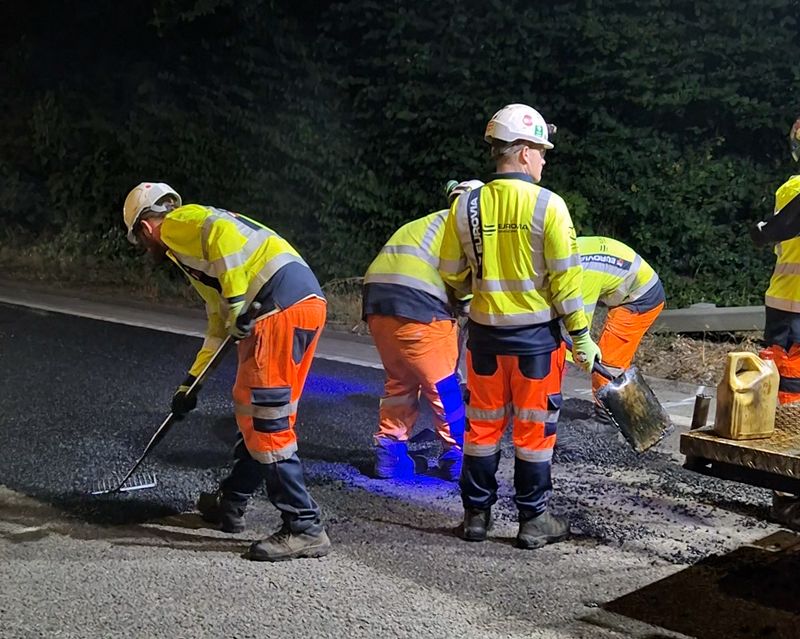
Crews also carry out small scale resurfacing works as part of the programme.
Why is it important?
While road closures can sometimes be inconvenient for drivers, they play an important role in maintaining Kent's transport network.
The programme helps us to:
- Keep roads safer for everyone who uses them
- Identify and address issues before they become larger, more expensive problems
- Improve visibility through vegetation management and lighting maintenance
- Reduce the risk of drainage issues through regular gully cleansing
- Limit disruption by combining multiple activities into a single closure
It is about carrying out essential maintenance efficiently, safely and with as little impact on road users as possible.
Jon Dean, high-speed road programme manager said: “This is a really good chance to get different people from all parts of the organisation, and our district partners to do those works under one road closure to minimise disruption to the public.
“It's a way to ensure all the site is looked after and taken care of. All those little things are getting done to make the journey better for the public and makes the general streets seem nicer.
“We have 44 high-speed roads which doesn't seem like a lot, but within that, there are several hundred kilometres of road, and we do try to minimise disruption where we can.”

“While drivers may only notice the occasional road closure, these planned works play a vital role in preventing bigger problems from developing and ensuring our road network remains in good condition.”
Peter Osborne, KCC’s Cabinet Member for Highways and Transport, said: "Our high-speed roads are some of the busiest routes in Kent, helping people get to work, school and businesses every day. Keeping them safe and well maintained is essential.
“What many people may not realise is that much of this work takes place overnight. While most of us are asleep, dedicated crews are out maintaining roads, drainage, lighting and verges.
"While drivers may only notice the occasional road closure, these planned works play a vital role in preventing bigger problems from developing and ensuring our road network remains in good condition.”