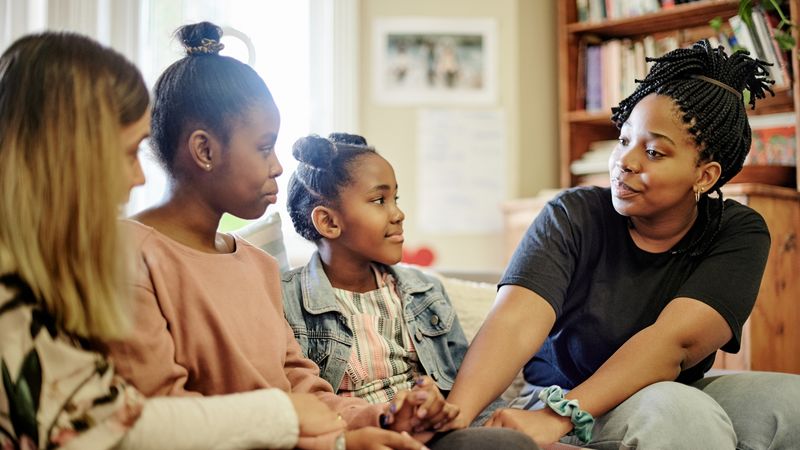
Here’s a simple guide for parents and carers on how to support your child if they're being bullied, plus real advice from young people in Kent:
Start with calm, open communication
The NSPCC stresses the importance of choosing the right time to talk, giving the child or young person your full attention, and staying calm. Children may feel scared or embarrassed and need reassurance. Encourage them to share their feelings and validate their experience.
Help them get their feelings out
Some children may struggle to express their emotions or may feel embarrassed to talk about certain things. They may prefer drawing or writing in a journal to explain what’s happening. This can reduce confusion and shame and help them process difficult emotions.
Reinforce that it is not their fault
Bullying can significantly damage confidence. Remind them they are valued, loved and do not deserve what is happening. Encourage activities that improve wellbeing, such as sports, music or creative hobbies.
Work with the school
Schools have a legal responsibility to protect pupils from bullying. Parents can speak with the class teacher, form tutor, SENCO or head of year. Schools can then look at the best way to take action.
You can also:
- Write a clear letter describing incidents
- Request the school’s anti‑bullying policy
- Escalate to the headteacher or governors if no action is taken
Seek additional help if needed
If your child is reluctant to talk to you, encourage them to contact Childline or another trusted adult. Extra support may be required if bullying affects mental health.
Organisations offering support include:
WATCH this video from the NSPCC for more advice on supporting your child if they're being bullied.
Advice from young people in Kent
Young people from Kent Youth Voice shared what they would tell someone being bullied - powerful, real advice straight from those who’ve been there:
- “You are important and you matter – don’t let them bring you down.”
- “Speak to student support.”
- “Talk with parents and friends. If it’s getting serious, talk with a teacher.”
- “Tell a trusted adult and your teachers.”
- “Seek help – talk to someone and let them know. You aren’t alone.”
- “Your value is their insecurity, so they try and ruin your value.”
- “What people say doesn’t tell you who you are, just who they are.”
These messages fit perfectly with Kent Youth Voice’s focus on resilience and peer support, encouraging young people to reach out and not face things alone.
In a nutshell
Parents can make a huge difference by listening, staying calm, involving the school early, and reminding their child they’re valued. And young people themselves say the most important thing is: tell someone.
No one should deal with bullying on their own.