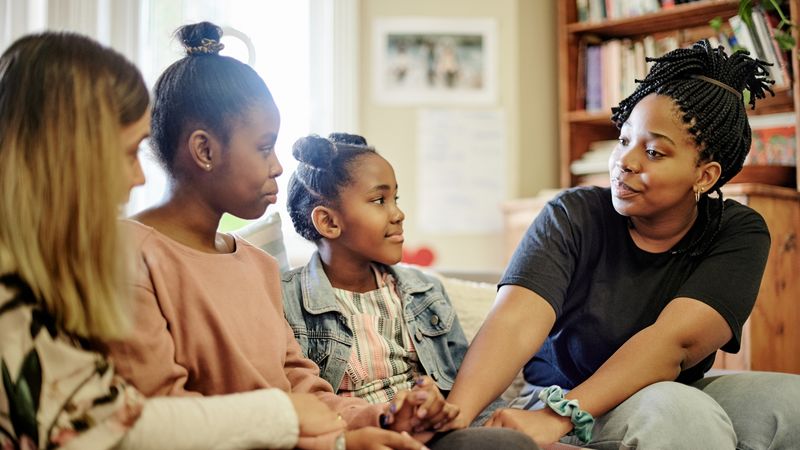
Understanding what’s behind the anxiety and how to help you child feel safe, confident and connected, can make a significant difference.
Children often don’t say “I’m anxious”, instead, they may show physical or behavioural signs, such as:
- Stomach aches or headaches
- Irritability or meltdowns
- Avoidance of school, social events, or activities
- Trouble sleeping
- Constant reassurance seeking
- Perfectionism or fear of making mistakes
Understanding that anxiety is a response, not a choice, is key. Your child isn’t being difficult - they’re trying to feel safe.
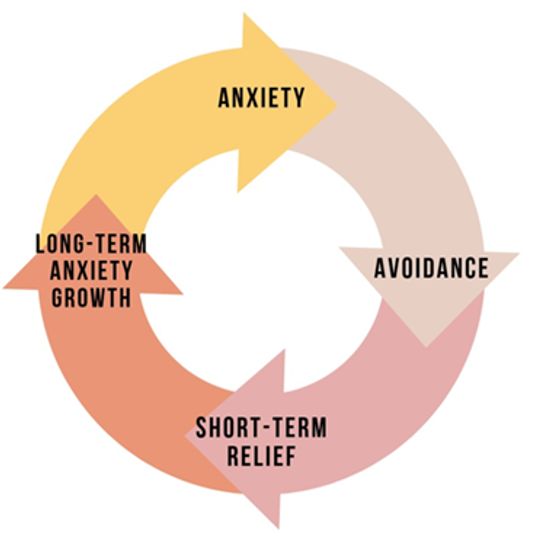
Cycle of anxiety
Educational Psychologist, Dr Ben Hayes, explains more:
"It's normal to try to avoid a situation that makes us feel anxious. This can provide short-term relief, however often causes worries to strengthen.
"An excellent way of thinking about how threats in someone’s life might be creating anxiety is the Power Threat Meaning Framework. This is a tool for thinking about what is affecting someone in their life and how they are making sense of it. You can also watch a video on helping your child if they are struggling with anxiety: 'How to tackle anxiety: The rainbow of avoidance."
Helpful tips for children struggling with anxiety
Here are some tips from KCC’s Educational Psychology team on how to help your child if they are struggling with anxiety:
1. Stay calm and create a safe space
Your presence matters far more than perfect wording. When a child is overwhelmed, they look to you to decide if the world is safe.
Try:
- Keeping your voice steady and warm
- Letting them know you’re there and they’re not alone
- Offering reassurance like: “You’re safe, and I’m here with you. We’ll get through this together.”
This helps their nervous system settle enough to start talking or problem‑solving.
2. Validate their feelings (even if you don’t understand them)
Children feel more overwhelmed when their emotions are dismissed (“there’s nothing to worry about!”). Instead, try validation—acknowledging their feelings without feeding the fear.
You might say:
- “I can see this feels really big for you.”
- “It makes sense you’re upset - it’s a lot to deal with.”
Validation doesn’t reinforce anxiety - it builds trust.
3. Help them name the worry
Children gain power over their anxiety when they can identify it. Some parents even give the anxiety a nickname (“the worry monster”) to make it less intimidating and easier to talk about.
You can ask:
- “What is your worry saying right now?”
- “Is this a big worry or a little one?”
Naming the feeling separates the child from the anxiety instead of letting it define them.
4. Teach simple grounding and breathing skills
Calming the body helps calm the mind. Effective tools include:
Breathing Exercises
- Square breathing: trace a square in the air - inhale, hold, exhale, hold.
- “Smell the flower, blow out the candle.”
This works well with younger children.
Grounding Techniques
- 5-4-3-2-1: Name 5 things you see, 4 you can touch, 3 you hear, 2 you smell, 1 you taste.
- Cold water on hands to break the stress cycle.
These strategies build resilience they can use anywhere—school, bedtime, or social situations.
5. Avoid over-reassuring or enabling avoidance
This part is hard for parents. We naturally want to protect our children from distress—but doing things for them or helping them avoid triggers can reinforce the anxiety long-term.
Instead of:
- “Okay, you don’t have to go.”
Try:
- “I know this feels scary, but you can do hard things. I’ll help you take it one step at a time.”
Gradual exposure, at their pace, builds confidence.
6. Create predictability and routines
Anxiety thrives on the unknown and the unpredictable. Routines give children a sense of stability, security and safety.
Helpful ideas:
- Predictable morning and bedtime routines
- Visual schedules for younger children or those with communication needs
- Talking through planned changes ahead of time
You don’t need rigid structure that can’t every change. Allow for fun and spontaneity as well, just try to give enough consistency to reduce any sense of being overwhelmed.
7. Encourage healthy habits that support mental wellbeing
Small lifestyle changes can make a big difference:
- Plenty of sleep
- Movement and outdoor time
- Balanced meals
- Limited screen time before bed
- Time for rest and unstructured play
Children’s brains regulate emotions better when their basic needs are met.
8. Keep communication open
Create opportunities for gentle, low-pressure conversations in a way that your child can access:
- Car journeys
- Walking the dog
- Drawing together
- Bedtime chats
Ask open-ended questions:
- “What was the trickiest part of your day?”
- “What made you smile today?”
Avoid interrogating—children open up when they feel safe, not when they feel pressured.
9. Work with school or other adults in their life
Teachers, pastoral teams, and club leaders want to help. Share what your child is experiencing so they can offer support and look out for triggers. Good communication, collaboration and a consistent approach across home and school can dramatically reduce anxiety.
10. Know when to seek professional support
Reach out for professional help if you notice:
- Anxiety lasting several weeks
- Avoidance of school or activities
- Panic attacks
- Difficulty eating or sleeping
- Withdrawal from friends or hobbies
- Self-harm talk (always seek immediate support)
GPs, counsellors, CAMHS teams, and school wellbeing services can provide assessments, support, and evidence-based therapies such as CBT.
Getting help is a strength - not a failure.
Supporting an anxious child is a journey, not a quick fix,” explains Dr Hayes, "but with patience, empathy, and the right tools, you can help your child build confidence and resilience. Most importantly, remind them that anxiety doesn’t define who they are - it's simply something they are learning to manage, and they don’t have to face it alone."
'You can't pour from an empty cup'
You can get more information on anxiety and other mental health support for children on the Kent and Medway Wellbeing Hub and on the KCC website.
Finally it is important to think about your own self-care, remember:
'You can't pour from and empty cup'.