Ponds have declined by an estimated 50-70% nationwide in recent decades due to changes in land use and intensive farming practices. In response, Kent's Countryside Management Partnerships have played a leading role in reversing this trend through their work delivering Natural England's Great Crested Newt District Level Licensing Scheme.
Introduced in 2018, the scheme provides an alternative way of protecting Great Crested Newts when new developments are built. Rather than creating replacement habitats on individual development sites, developers contribute funding towards the creation and restoration of multiple ponds in carefully selected locations across Kent.
This approach has seen more than 400 ponds created or restored across Kent. In comparison, 45 ponds have been lost to licensed developments and no longer function as wildlife habitats, as they now fall within development sites. This means the scheme has delivered a significant net gain in freshwater habitat for Great Crested Newts and a wide range of other wildlife.
These ponds are already making a substantial environmental impact. In Kent, monitoring shows that 62% of ponds have been colonised by Great Crested Newts since 2019 - an impressive figure standing 24% above the national average for the scheme.
As well as supporting newts, the ponds are boosting biodiversity more widely. Freshwater habitats are among the richest for wildlife, and restored ponds have revealed the return of rare plant species that have lain dormant for decades beneath layers of silt. Countless insects, amphibians and other species are also thriving in these revitalised ecosystems.
Work is continuing at pace, with more than 70 new ponds planned across Kent this winter. The programme is also looking ahead, with opportunities for additional landowners to join the scheme from summer 2027.
This work would not be possible without strong local partnerships. Over 240 landowners are already involved, working alongside contractors and conservation teams to deliver habitat improvements across the county.

“I am incredibly proud of the impact this scheme is having in reversing the decline of ponds and supporting wildlife recovery.”
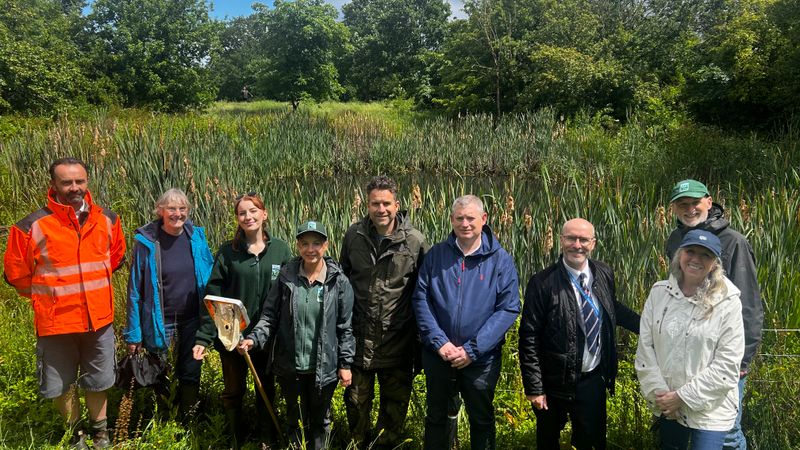
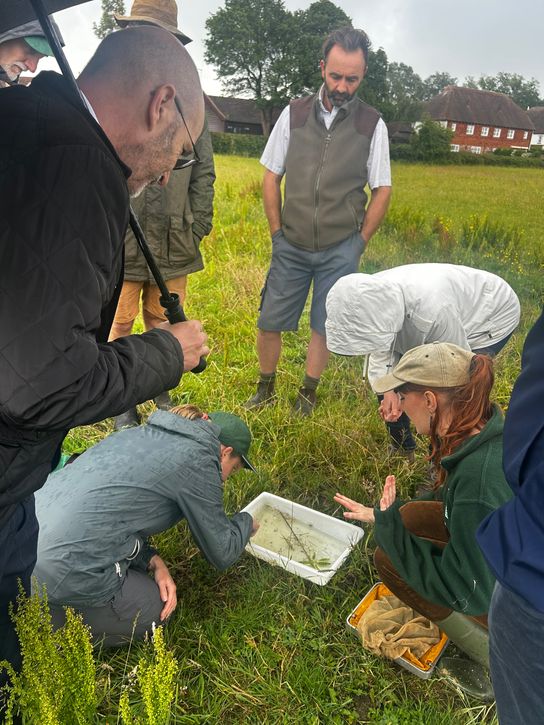
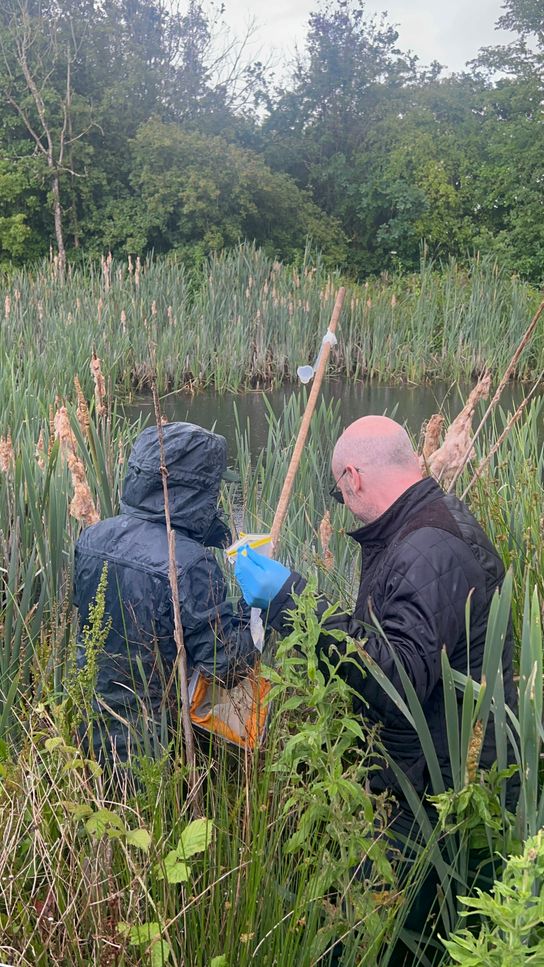
Jamie Henderson, Cabinet Member for Environment, Coastal Regeneration and Public Health, said: “I am incredibly proud of the impact this scheme is having in reversing the decline of ponds and supporting wildlife recovery. I was even lucky enough to go and see a few of the ponds and help the team with their testing. The work they do to support wildlife in Kent is fantastic.
‘The success in Kent shows what can be achieved through partnership working. I’d like to thank the contractors, farmers and landowners whose commitment has made this possible. Their support is creating lasting benefits for biodiversity now and into the future.”
To find out more about the scheme, and to get involved, visit: Pond work for Great Crested Newts - Kentish Stour