The event, on Wednesday 25 March, was attended by headteachers and SENCOs from the 18 Swale schools involved. They were joined by the Kent County Council (KCC) Cabinet Member for Education & Skills, Beverley Fordham, as well as those who had led the PINS programme, including the National Senior Project Manager, Louise Wood, from NHS England.
About the PINS project
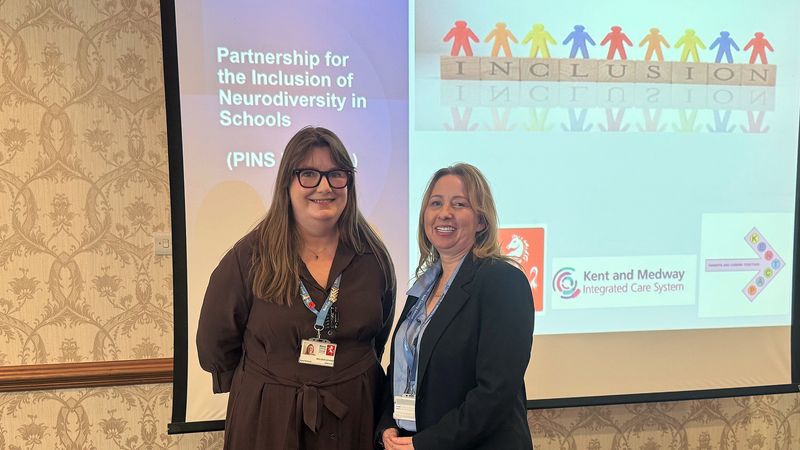
PINS is a national programme designed to help schools better support neurodivergent pupils. It is delivered locally by NHS Kent and Medway, KCC and Medway Council, with strong input from parent carer forums.
Phase 1 of the project began in 2024 with 40 schools across Maidstone and Medway. Phase 2 expanded to 18 schools in Swale, who were supported with specialist training, tools and guidance, shaped by the insights of school leaders, staff, parents and carers. Training covered mental health, speech and language, neurodevelopmental needs, and creating inclusive sensory environments. Kent PACT – Kent's local parent carer forum - played a key role in strengthening communication and partnerships with families.
What schools learned
Schools shared why they joined the project, how the project improved their practice, from the training they did to the impact on pupils, staff and families. Key benefits shared by schools included:
- A shift toward proactive, needs‑led approaches
- Greater focus on mental health and emotional regulation
- Staff with more confidence and improved skills around SEND and neurodiversity areas
- Better relationships with parent and carers
- Better collaboration between schools and partners
- More inclusive environments such as sensory spaces, flexible seating, visual supports and wellbeing check‑ins
- Clear whole‑school direction on SEND
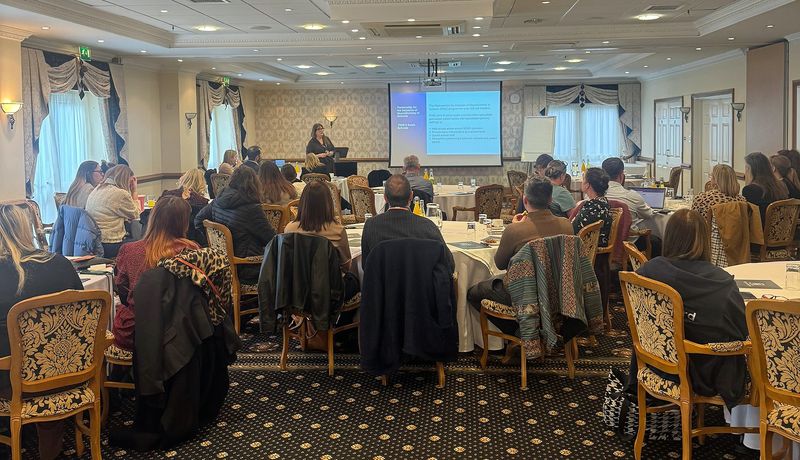
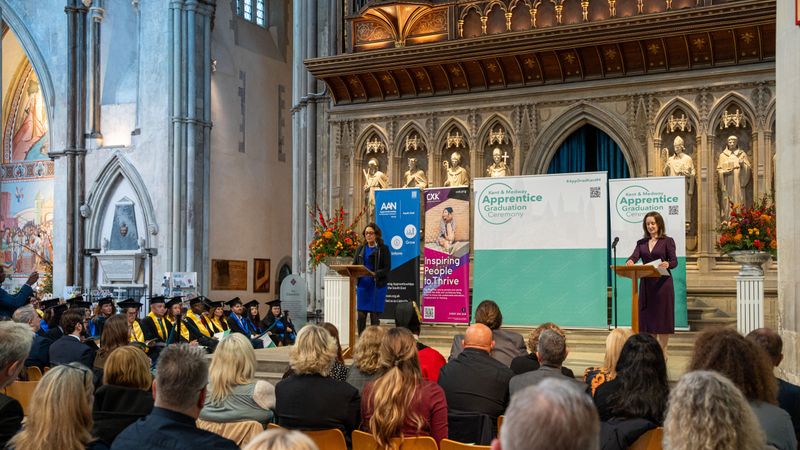
Headteachers and SENCOs from schools across Swale gathered in Sittingbourne to celebrate the final phase of the implementation of the PINS project.
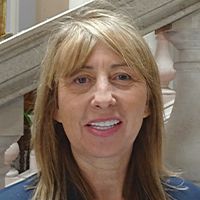
“The end of the PINS project isn’t just a finish line; it’s a big step forward for inclusion in Kent. Schools have come together, shared ideas, learned from each other and built strong foundations for the future”
KCC's Cabinet Member for Education & Skills, Beverley Fordham, praised the project’s impact: “There’s a huge amount of great work going on in our schools, and we’re excited to build on this across the county. You can really feel a shift in how we’re helping neurodiverse children - and all children - to recognise their strengths and thrive.
“The end of the PINS project isn’t just a finish line; it’s a big step forward for inclusion in Kent. Schools have come together, shared ideas, learned from each other and built strong foundations for the future. All the training, teamwork and new approaches developed through PINS will carry on making a difference, shaping how we support pupils for years to come. This is just the start of something very positive for our schools and our families.”
Next steps
Schools plan to embed their learning into long‑term SEND and mental health strategies, use SEND data more effectively and continue working closely with families. Further training, including ELSA and Drawing & Talking, will carry on, along with a focus on speech, language and communication.