For families too, it’s a moment to feel proud of how far your child has come and to look forward to what’s ahead.
Kent’s Educational Psychology Service has shared expert advice to help families approach this transition with confidence, positivity and reassurance. Schools have been planning carefully for this moment, and primary and secondary schools are working closely together behind the scenes to ensure that every child is known, understood and well supported as they move on.
With the right preparation, encouragement and open conversations, this transition can be a positive and empowering experience for young people.
Activities to do together
Watch together
Moving Up! The transition to secondary school (SUBTITLED)
This short animation gently explores what moving to secondary school can be like and highlights how this change brings new opportunities as well as growth. Watching together can spark positive conversations about what your child is looking forward to, what they’re curious about and what excites them about this next chapter.
It’s a great opportunity to normalise talking about change as something that happens to everyone and is part of growing up – and to remind children that they will be supported every step of the way.
Read together
Barnardo’s Guide – stepping into secondary school transition-guide-stepping-into-secondary-school.pdf
This friendly, interactive guide helps children explore their thoughts about secondary school in a positive, supportive way. The activities encourage confidence, curiosity and reflection, helping young people feel ready and capable as they prepare for their new start.
Helpful exercises
These tools can be useful wellbeing skills for life – not just for starting school:
- Box Breathing Exercise – a simple technique for calm focus: Box breathing exercise video 5 Minutes Box Breathing Relaxation Exercise | Beginner Pace | Anxiety Reduction Pranayama Technique
- Progressive Muscle Relaxation (PMR) – helps children relax their bodies and reset after busy days: PMR video Progressive Muscle Relaxation (PMR) Exercise for Kids and Teens
- Grounding Exercise (Outdoors) – encourages mindfulness and noticing the world around them: Grounding exercise video Grounding Exercise for Kids and Teens (Outdoors)
More ways to help
- Make the holidays count – use this time to talk positively about secondary school, explore new routines and celebrate what this step represents. Preparing together can be a motivating and confidence-building experience (see the Barnardo’s Transition activity book for ideas).
- Encourage your child to share what helps them – some children prefer to talk, others like to write things down. Schools welcome this information and use it to make sure the right support is in place from day one.
- Reassure them they are not on their own – every child moving up is doing this together, and the school staff are experienced in welcoming new pupils and helping them settle.
- Model confidence and calm – children often take their cues from adults. Your relaxed, positive approach sends a powerful message that this is an exciting and manageable step.
- Stay connected with the school – primary and secondary schools are already working closely, sharing information and planning support so that your child’s needs are understood before they arrive.
Parental support strategies
You can help your child feel excited, capable and prepared by focusing on these practical and positive steps:
Travel
Chat about their journey to school and practise it together during the holidays. Spot familiar landmarks, talk through the routine and see if friends from primary school may be travelling the same way. Turning this into a shared activity can build independence and confidence.
Equipment and uniform
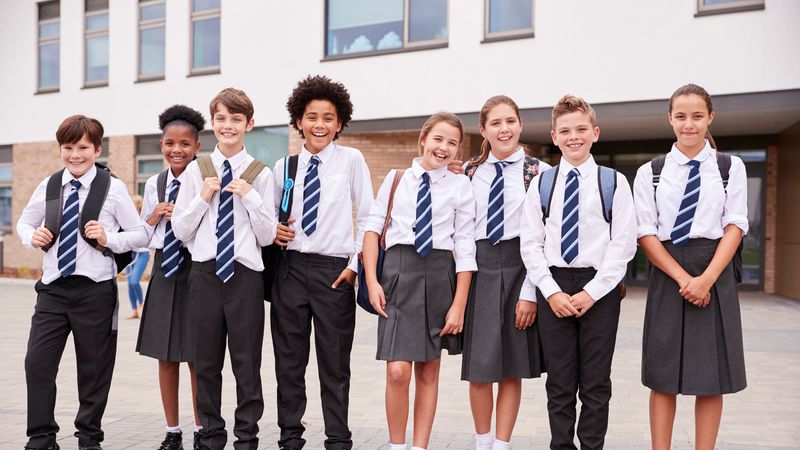
Get uniforms and equipment ready early and make it fun – trying on uniform, organising pencil cases or creating a checklist together helps children feel prepared and proud of their new role as a secondary school student.
New school environment
Visit the school site if possible, explore key areas and talk about what happens in different places. Simple maps or games (like a memory quiz afterwards) can make learning the layout enjoyable and reassuring.
Structure of the school day
Talk positively about the school day – different lessons, new subjects and greater independence. Sharing your own positive memories of secondary school can help bring this to life.
Key adults in school
Explain who the key adults are – form tutors, subject teachers, pastoral staff and the SENCo. Reassure your child that there are lots of grown-ups whose job is to help them succeed and feel happy.
Social opportunities
Secondary school offers many new chances to meet people and discover interests – clubs, teams and activities are a great way to make connections. Talk about where pupils can go at break or lunchtime and how staff are always available to help.
Learning and organisation
Discuss how lessons work and how homework is managed and set up a calm space at home for learning. Emphasise that skills like organisation are learned over time, with support.
SEND and pastoral support
For children and young people with SEND, reassure them – and yourselves – that support is already planned. Secondary schools have clear systems and named staff, including SENCOs and pastoral leads, who are there to help. Information is carefully shared between schools to ensure continuity and understanding.
Working together with school
If parents have questions or concerns at any point, schools encourage them to talk directly to the SENCO or pastoral lead. These staff are there to listen, reassure and problem-solve. Transition days, meetings and open events are valuable opportunities – face-to-face conversations help build strong relationships and confidence for everyone.
Encourage your child to attend transition events, ask questions and talk about what they’re looking forward to. These experiences help turn the unknown into something familiar and exciting.
Most importantly…
Remind your child that moving to secondary school is a positive milestone, a sign of how much they’ve grown and how many new possibilities lie ahead. It’s a chance to discover new subjects, develop independence and build confidence.
Reassure them that you are in this together – and that they will be supported by you and by their school every step of the way. Your belief in them is one of the strongest foundations they can have as they begin this exciting next chapter.
For more information about school transitions and support for children and young people with SEND, visit the SEND Information Hub.