A whole school approach
One school that has seen a huge improvement in attendance since implementing new strategies is Astor Secondary School in Dover. The team have spent the past 12 months overhauling their approach to reduce the number of pupils considered severely absent – those who have missed more than 50% of school sessions.
In September 2024, they opened a new ‘Attendance Hub’ in a separate unit on the school grounds which has helped them deliver their strategies and get young people back into classrooms.
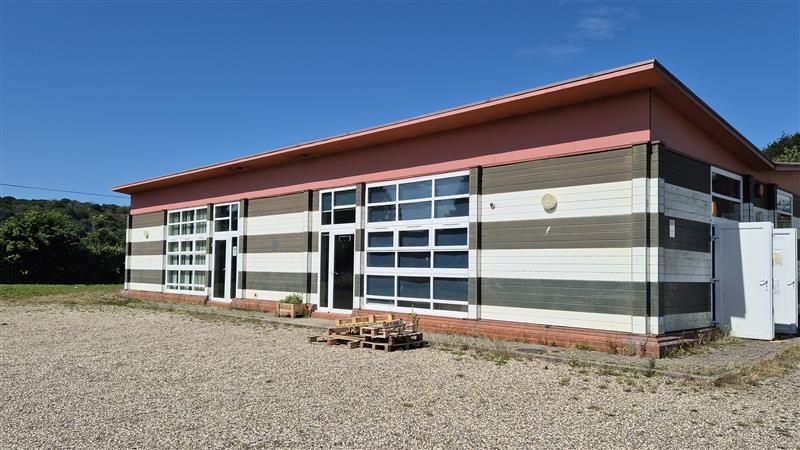
The Attendance Hub at Astor Secondary School
Head Teacher, Lee Kane, explained: “We identified who those young people were, and we appointed two new attendance officers whose role involves making more home visits so we can have conversations with parents.
“Pupils helped us to co-construct the Attendance Hub venue itself and we developed it around what they wanted. There is a work area and a social area. We were also aware a lot of the pupils were neurodivergent and had special educational needs and disabilities (SEND) so we needed to be understanding of what it would be like from their perspective.”
The Attendance Hub even has its own staff from a counsellor to a mind coach, an emotional wellbeing practitioner as well as tutors and teachers.
Mr Kane continued: “This time last year we had 67 young people classified as severely absent, as of today we have 31. We have reduced it by over 50% through new practices. Everyone’s journey through the hub is different, there is no set process, it is an individual journey. Some of them will be through the hub quicker than others, some might take a year, but every single one of them has made progress.
“If you look at those statistics, we know the strategies are working because we know people are attending, but we are still aspiring to improve this.”
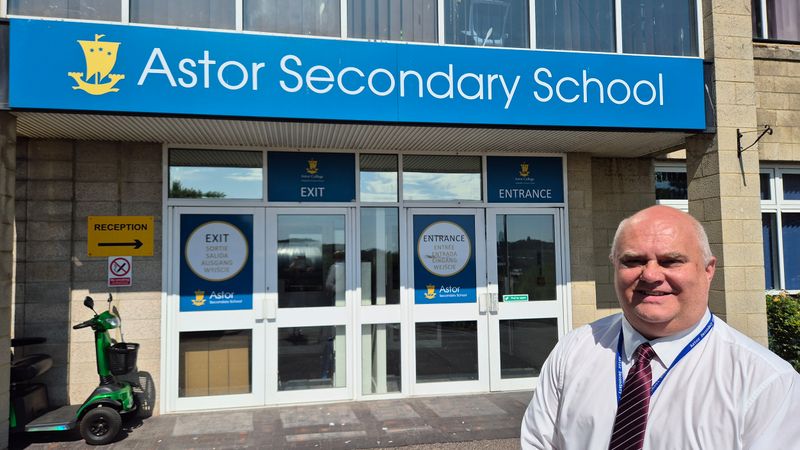
Lee Kane, Head Teacher at Astor Secondary School
To build on these strategies for this academic year, the school joined the Department for Education’s Regional Improvement for Standards and Excellence (RISE) programme which provides targeted support to schools in England looking to make improvements.
Government funding that comes with it means Astor has been able to employ more staff to help the school expand their initiatives to pupils who fall into the persistently absent category, with less than 90% attendance.
What teachers say about attendance
At The Marsh Academy in New Romney, teachers send a clear message that attendance matters. However, they say their approach is not just about numbers, but making sure every child feels supported when they come to school.
Assistant Principal, Stephen Cartwright, said: “Every student is seen. Every absence is tracked. Patterns are spotted early and tackled head-on. Heads of Year, SDLs, and tutors rally around students, offering daily encouragement and tailored support. Parents and carers are kept in the loop with regular calls, meetings, letters, and home visits—because partnership is key.
“Our Family Liaison Officer and Senior Pastoral Leader go the extra mile with home visits that build trust and break down barriers. For students with SEND, key workers and bespoke strategies ensure no one is left behind.
“Crucially, our Wellbeing Room offers a calm, supportive space for students experiencing Emotionally Based School Avoidance (EBSA) - a vital lifeline that helps rebuild confidence and re-engage learners at their own pace.”
Pupils with good attendance are celebrated with rewards such as breakfasts, “beat the lunch queue” passes, cinema vouchers, selection boxes, and Easter eggs.
At The Marsh Academy, data shows an improvement on overall absences by 1.5% over the previous year. It also shows improvements on persistent absences by more than 5%, and a 1% improvement on severe absences.
At Dover Christ Church Academy, the school’s attendance figures at the start of last year were a cause for concerns, falling below national and local averages. The school’s persistent absence rate, which is defined as missing 10% or more of school sessions, was significantly above the national level of around 20% for that year.
In response, the Turner School’s Trust, which the school is a part of, made improving attendance a top priority across the whole school.
The school also changed how it approached attendance—focusing on both support and accountability. They improved their system for calling families on the first day a pupil is absent and started doing daily home visits for pupils who weren’t in school. Families were offered informal help first, including personalised support for pupils struggling with EBSA, before any formal action was taken.
Extra help was given to vulnerable groups, like pupils with SEND and those who get free school meals (FSM). These targeted efforts paid off—SEND attendance is now in the top 10% of schools nationally.
Overall, the school’s attendance rose to 92% in 2024/25, which is 3.4% higher than the previous year and above the national average of 91.4%. Persistent absence dropped by 11%, and FSM attendance is now ranked in the top 20 to 30% nationally.
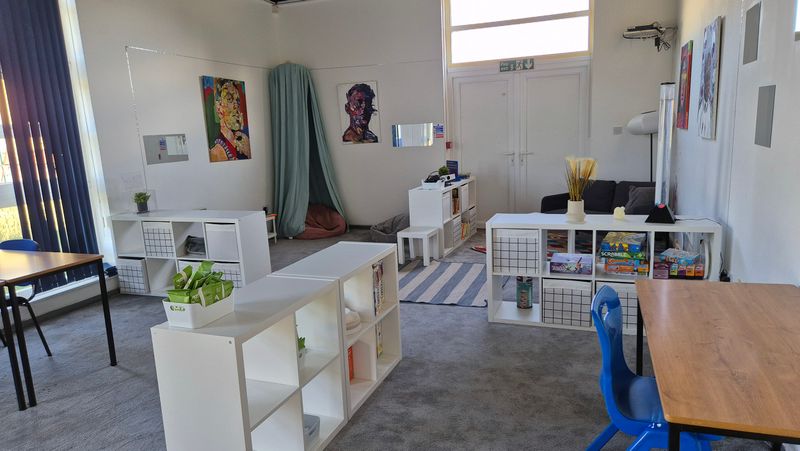
Inside the attendance hub at Astor Secondary School which was co-designed by pupils
Children with SEND
We understand attendance can be more challenging for children with SEND, but regular school attendance is one of the most important factors in helping children with additional needs to reach their full potential.
Find out more about how to support children with SEND with attendance here.