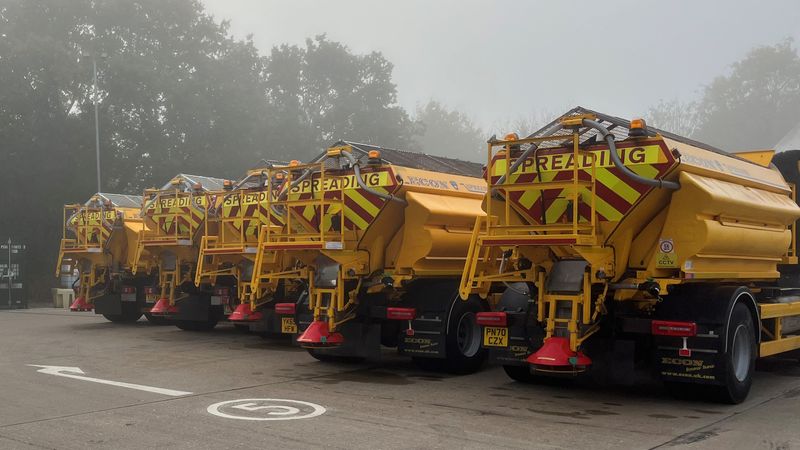
Our gritter crews have been working around the clock to keep Kent moving, treating the primary routes across our 5,000‑mile road network. Their focus is on all A and B roads, major commuter routes, and as many other key roads as possible with the time and resources available.
So far this winter, crews have carried out 42 treatments between November and mid‑February.
Toby Howe, Highways Strategic Resilience Manager, said: “The combination of freezing temperatures, heavy rainfall and high winds has meant our teams have been working continuously to keep the network safe. Throughout the winter period we’ve had crews on standby 24/7, gritting priority routes, clearing fallen debris, responding to flooding and dealing with weather related incidents as they occur.
‘Our focus is always on keeping the county moving, and we prioritise our resources to where they’re needed most. This includes monitoring conditions around the clock, deploying crews as soon as temperatures fall or rain intensifies, and working closely with our drainage and emergency response teams to manage the additional pressures caused by the weather.”
Alongside the icy weather conditions, our drainage team has also been working flat out with the persistent heavy rain we’ve been experiencing.
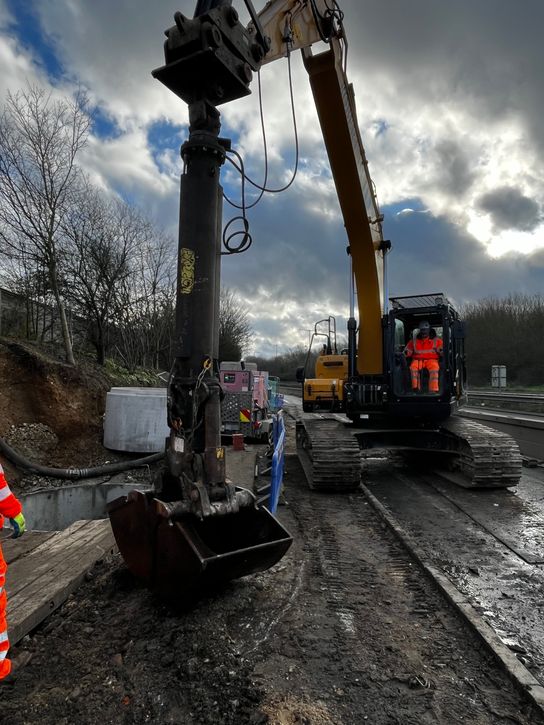
The drainage teams worked on Bob Dunn Way in Dartford on a project to reduce flooding on the dual carriageway.
Carol Valentine, Drainage Manager, said: “This has been one of the wettest winters we’ve faced, with persistent rainfall and several storms, including Storm Goretti.
‘These conditions have saturated the ground and overwhelmed drains in many areas, meaning crews have been called out far more frequently to clear blocked gullies, pump away standing water and respond to reports of localised flooding.
‘Keeping water off our roads is a vital part of keeping Kent safe, and our teams have been working around the clock to stay on top of the impact caused by the wet weather.”
This extra rainfall doesn’t just cause flooding – it also contributes to the increase in potholes.
When drainage systems are working under extreme pressure, more water remains on or under the road surface, seeping into small cracks and weakening the structure of the road.
This is where the freeze–thaw cycle plays a major role.
The freeze–thaw cycle happens when temperatures repeatedly rise above and fall below freezing. Rainwater seeps into tiny cracks in the road. When temperatures drop, that water freezes and expands – putting pressure on the road surface and widening those cracks. When it thaws again, the road contracts slightly, leaving gaps and loose material.
Each cycle weakens the road further, and once traffic passes over these vulnerable spots, the surface can break away, forming a pothole. With repeated cold snaps followed by milder, wetter spells, the cycle can repeat many times in a single winter.
Toby continues: “The cold weather, mixed with periods of very wet weather, creates the perfect storm for potholes. Water enters small cracks, freezes and expands, thaws and weakens the structure further, and heavy traffic completes the damage.”
This winter’s severe weather has left its mark across Kent, and many of you have noticed the condition of the roads. January and February saw more than 17,000 potholes reported - a rise of 35% on last year.
Our teams are operating day and night to respond, often making temporary repairs immediately to keep the road safe while longer lasting fixes are scheduled.

“As we move through the rest of the season, we’ll continue to prioritise safety, respond quickly to issues on the network and focus on repairing the damage created by the recent weather.”
Peter Osborne, Cabinet Member for Highways and Transport, said: “We know how frustrating potholes can be, which is why our crews are out every day working to keep Kent moving safely and smoothly.
‘With such a large and heavily used road network – including traffic from heavy goods vehicles and visitors travelling to and from Europe – combined with the incredibly challenging winter, our highways crews have had their work cut out for them – but they’re up for the challenge.
‘I want to thank our highways crews for the enormous effort they continue to put in throughout what has been a difficult winter. Their commitment to keeping our roads safe, open and moving is clear to see, and I know residents value the work they do often in the worst of conditions.
‘As we move through the rest of the season, we’ll continue to prioritise safety, respond quickly to issues on the network and focus on repairing the damage created by the recent weather. I’m proud of the resilience shown by our crews, and I want to reassure the public that supporting Kent’s roads remains one of our top priorities.”