Announcing the UK’s first Marmot Coastal Region (MCR) today, Kent County Council’s (KCC) Leader outlined significant commitments to help tackle unemployment and lack of opportunity, two root causes of health inequality, in the first 24-months of the long term initiative.
Linden Kemkaran said by March 2028, KCC aims in the MCR to:
- support 200 more young people not in education or training into jobs or learning
- help 100 residents with additional disadvantages – including care leavers, carers and people with mental ill health – into employment
- enable 150 more people on probation to access education and work
These initiatives will be delivered through a new Marmot Accelerator Programme.
Alongside this, the flagship Connect to Work programme will help 9,000 people across Kent and Medway, including many coastal residents with long‑term conditions, disabilities or disadvantages, to move into employment by 2030.
“Health, opportunity and hope should not depend on your postcode – which is at the heart of the Marmot approach”
Speaking at a packed launch event at Dover’s historic Maison Dieu, Linden Kemkaran, will say: “Too many people in our coastal communities experience poorer health, lower incomes and fewer opportunities than they deserve.
"That isn’t fair. Living by the sea should never mean living with poorer life chances. Health, opportunity and hope should not depend on your postcode – which is at the heart of the Marmot approach.”
Although some parts of Kent’s coastline are thriving, many east coast communities experience worse outcomes than inland areas. Challenges include:
- Life expectancy being 2.1 years lower on average, with even larger gaps in places such as central Margate, where men live seven years less than those in Tunbridge Wells.
- Higher rates of lung cancer, chronic respiratory diseases, and liver disease, which are major drivers of the life expectancy gap.
- Higher pupil absence, lower GCSE attainment (9% below inland areas), and 50% more unemployment benefit claims than inland areas.
What is a Marmot Place?
Marmot Places bring together government, councils, charities, social enterprises and community groups to improve health and wellbeing by addressing the building blocks of health - good work, housing, care, and vibrant communities.
They are based on eight principles developed by Professor Sir Michael Marmot, Director of University College London’s Institute of Health Equity and a leading global authority on health inequalities.
It's why, following an early focus on jobs and training, the Kent MCR partnership will turn attention to other crucial issues such as getting more people into decent, stable homes, rejuvenating local environments and boosting support for childhood development.
Delivering the keynote speech, Professor Sir Michael Marmot will say: “The stark, avoidable inequalities that exist between the Kent's coastal and inland communities mean too many people are not living in as good health, or for as long, as they should. This new programme across the county will embed the Marmot approach that research shows will improve local residents' health and wellbeing.”
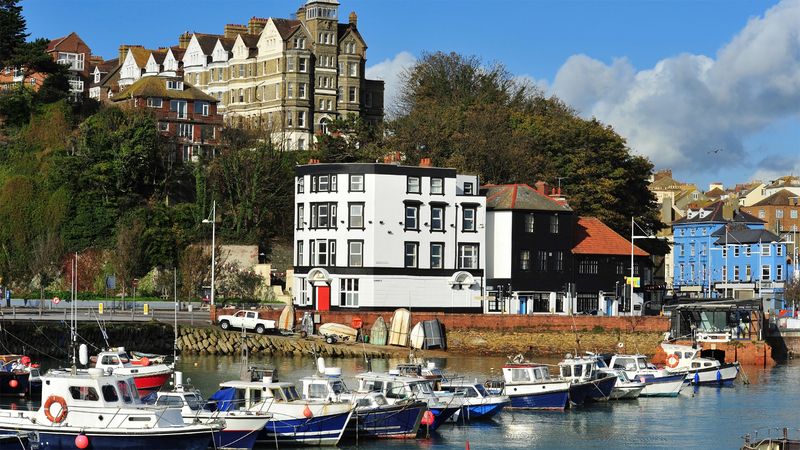
Kent’s Marmot Coastal Region stretches from Swale to Folkestone & Hythe, and includes Canterbury, Thanet, Dover, and Ashford, which has close transport and economic links to coastal districts, including hosting the Inland Border Facility at Sevington which serves the Port of Dover and Eurotunnel.
Also speaking at the official launch will be KCC Cabinet Member for Public Health, Diane Morton and the council’s Director of Public Health, Professor Dr Anjan Ghosh.
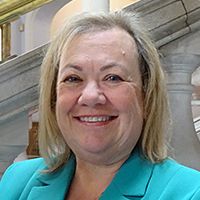
“What I see every day is not a lack of motivation or talent – but a lack of opportunity”
Diane Morton, a Registered Mental Health Nurse, will say: “Many residents want to work but are held back by long-term health conditions or caring responsibilities. Others struggle with seasonal or insecure work. What I see every day is not a lack of motivation or talent – but a lack of opportunity.
“The Marmot approach reflects what our teams witness on the ground: that health inequalities are shaped by daily life. Access to good work, skills and financial security is essential to helping people stay healthy and independent.”

“The need for action is clear”
Professor Dr Anjan Ghosh will add: “Reports, including from the Chief Medical Officer, have highlighted the severe impact of health inequalities on coastal communities. The need for action is clear.
“The Marmot framework brings organisations together to develop real, long‑term solutions. It also strengthens our ability to push for national change, attract research and innovation, and draw in new investment. This pioneering effort positions Kent as a national leader in health equity.”