The Carriageway Asset Preservation Team, part of KCC’s Highways Asset Maintenance and Inspections Team, plays a vital role in extending the life of the county’s road network. Led by Team Manager Aaron Divall, the team specialises in treatments designed to keep roads in good condition for longer reducing the need for more disruptive and costly repairs further down the line.
“We intervene early to preserve the road,” Aaron explains. "Planned maintenance is more effective and cost efficient than waiting for failure. This approach reduces whole-life maintenance costs and keeps the network in a safe and resilient condition.”
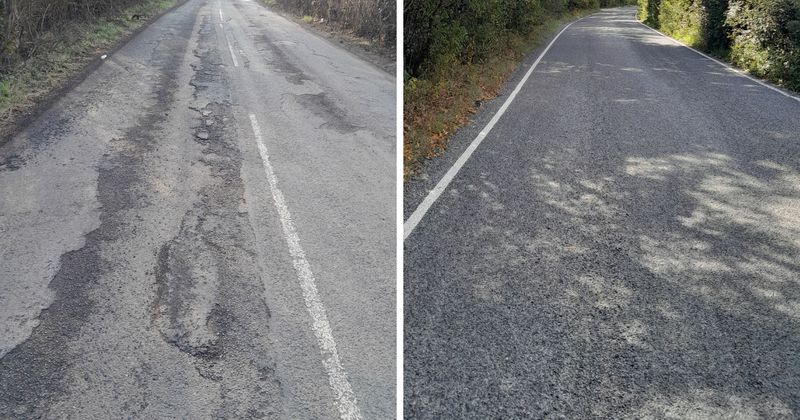
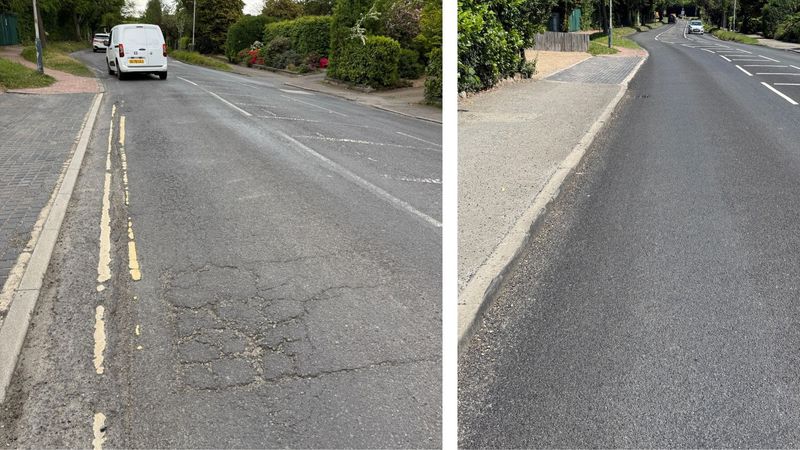
Hever Road in Edenbridge, before and after surface dressing
A preventative approach
The team’s work focuses on preserving the existing road surface. Over time, exposure to the elements and traffic causes roads to deteriorate, with the surface gradually cracking and allowing water to penetrate beneath. This is one of the main causes of potholes.
Aaron says one of the main benefits is sealing the road against water. He explained: “Once water penetrates the surface, it damages the underlying layers and causes the road to deteriorate quickly.”
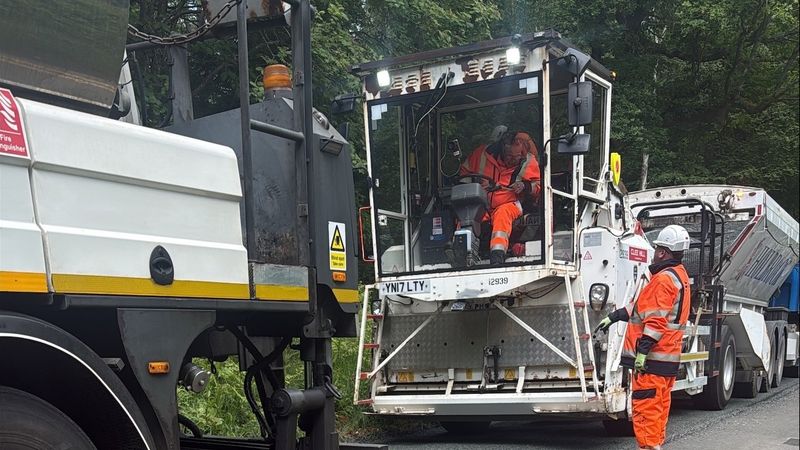
To prevent this, the team uses a range of specialist treatments, including surface dressing, micro surfacing and asphalt rejuvenation. These techniques seal the surface, restore grip and create a protective layer that slows down deterioration.
While these treatments don’t replace a full resurfacing, they are highly effective in extending a road’s lifespan and improving safety by increasing skid resistance.
Smart targeting with data and expertise
Deciding which roads to treat is a combination of technology and professional judgement. Survey vehicles collect condition data from across the network, which is fed into an asset management system known as Horizons.
The system identifies roads that are suitable for preventative treatment, but final decisions are made by engineers and contractors who assess each site to ensure that preservation offers the right solution.
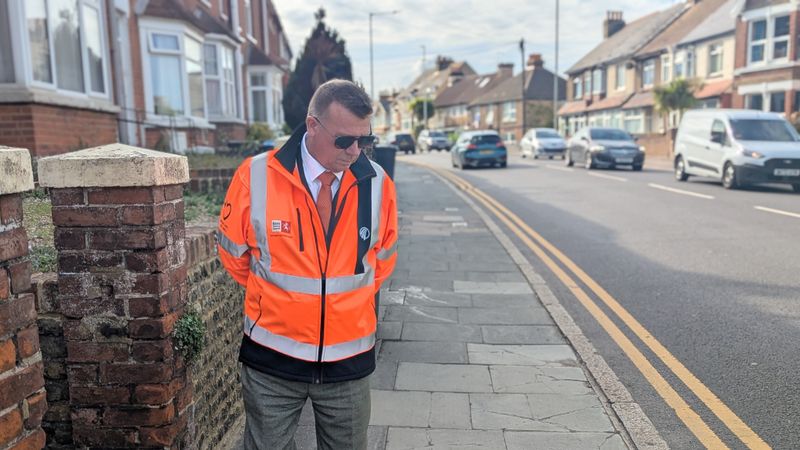
“It gives us a starting point, but we still need an engineer to asses each road and decide what’s appropriate,” Aaron adds.
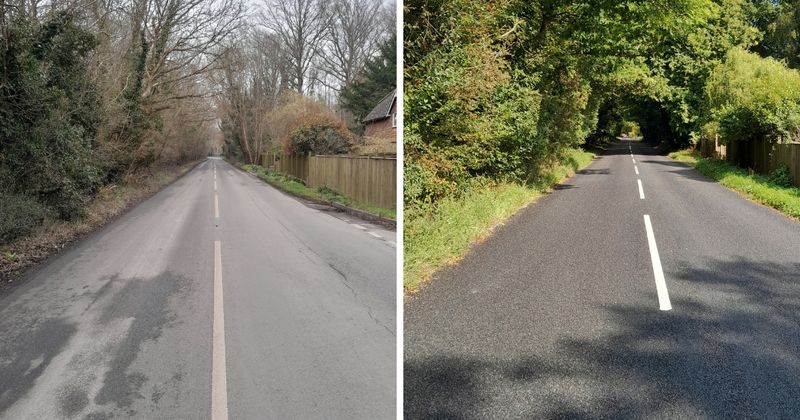
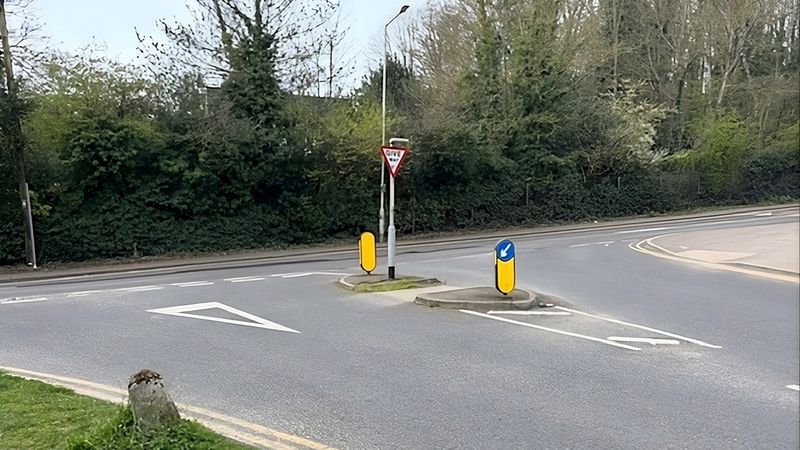
Tonbridge Road in Leigh, before and after surface dressing
Summer works programme
These treatments are temperature-sensitive, so are carried out in daytime between April and September, when conditions allow the materials to cure properly. During the rest of the year, the engineers assess suitable sites, arrange pre-patching, and prepare the scheme packs for the next summer season.
Residents are notified in advance through letters and roadside warning boards, helping to minimise disruption while essential maintenance is carried out.
Delivering value for money
One of the biggest advantages of preservation treatments is their cost-effectiveness. Compared to full resurfacing, which can cost tens of pounds per square metre, preventative treatments are significantly cheaper - while still delivering meaningful improvements.
Aaron said: “It’s like regular servicing for your car. It’s far more cost-effective than waiting for the engine to fail.”
By investing in early intervention, the team helps reduce the overall financial burden on the network, while keeping roads safer and more reliable for residents. In the 2025/26 financial year alone the team delivered 794,000 sqm of surface treatments, covering 75 miles of carriageway.
While their work may not always be visible in the same way as large-scale resurfacing schemes, its impact is felt every day - helping to keep Kent moving, safely and efficiently.