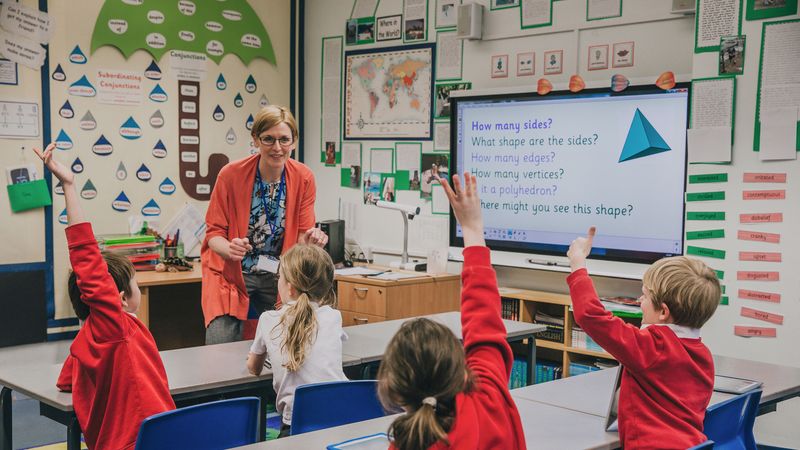
While most children are excited to see their friends and teachers again, some may feel worried, anxious or reluctant about returning to school. You might find that your child becomes upset when school is mentioned or becomes emotional as the first day gets closer.
Attending school regularly is one of the most important things a child can do for their education, wellbeing and future opportunities. The good news is that there are practical steps you can take to help, and support is available if you need it.
Why school attendance matters
Learning and achievement
Every school day provides valuable opportunities for learning. Missing lessons can make it harder for children to keep up with their classmates and may affect their confidence in the classroom.
Friendships and belonging
School helps children build friendships, learn how to work with others, and develop important social skills. Regular attendance ensures children feel connected to their peers and part of their school community.
Routine and wellbeing
A regular routine will support your child's emotional wellbeing. Attending school consistently provides structure, stability, and predictability throughout the week.
Preparing for the future
Good attendance habits will ensure your child develops responsibility, resilience, and independence, all skills that are required throughout their education and later life.
Supporting younger children (primary school)
Some younger children may feel nervous about going back to school, especially after a long break, moving into a new year group, or experiencing a significant change at home. But nerves are a good thing and perfectly normal and so it is the job of the adults to teach the child how to manage those nerves and turn them into excitement.
You can support your child by:
Re-establishing routines early
A few days before school starts, begin moving bedtimes, wake-up times and mealtimes back towards your normal school routine. Familiar routines can help children feel more secure.
Talking about their feelings
Give your child opportunities to share how they are feeling. Listen calmly and acknowledge their emotions. Children need reassurance that it is okay to feel nervous.
Keeping goodbyes short and reassuring
Long or emotional goodbyes can sometimes make separation anxiety worse. A calm, positive goodbye routine can help your child feel more confident.
Using visual reminders
Calendars, countdowns and visual timetables can help younger children understand what to expect and help to build excitement.
Working with the school
If you have concerns, speak to your child's teacher. They may be able to offer additional reassurance or put support in place to help your child settle into the school day.
Supporting young people and teenagers (secondary school)
School avoidance in older children can sometimes be linked to friendship difficulties, exam pressures or worries about fitting in.
You can support your child by:
Having open conversations
Choose a calm time to talk about what is making school difficult. Try to listen without judgement and focus on understanding the reasons behind their feelings.
Encouraging problem-solving
Work together to identify practical solutions. This might include speaking to a teacher, accessing pastoral support, reviewing travel arrangements or finding strategies to help manage stress.
Maintaining routines
Even when attendance has become challenging, keeping regular sleep patterns and morning routines can help reduce anxiety and make returning to school easier.
Focusing on small steps
If attending a full school day feels overwhelming, celebrate gradual progress. Small successes can help rebuild confidence over time.
Encouraging positive connections
Friendships and trusted adults play an important role in helping young people feel more confident about attending school. Encourage your child to stay connected with supportive peers and members of staff.
If your child is showing signs of distress
This can be upsetting but staying calm and supportive will help.
Useful approaches include:
- Staying calm and speaking in a reassuring tone.
- Acknowledging their feelings, for example: "I can see you're worried about going to school today."
- Avoiding arguments or lengthy negotiations during moments of high emotion.
- Giving your child time and space to regulate before talking through solutions.
- Looking for patterns or triggers that may be contributing to their distress.
- Sharing concerns with the school so that support can be put in place.
If these difficulties continue or are affecting your child's wellbeing, you can seek additional support. There is lots of support available:
Speak to your school
Your child's school is the best place to start. Teachers, form tutors, pastoral teams, family liaison staff and Special Educational Needs Coordinators (SENCos) can work with you to understand what is causing attendance difficulties and identify ways to help.
Schools will be able to offer pastoral support such as, wellbeing interventions, mentoring, adjustments to the school day, or help with a gradual return to regular attendance where appropriate.
Mental health support
If anxiety or mental health concerns are affecting your child's ability to attend school, speaking to your GP may help. They can advise on local support services and referrals where needed.
You can also find information, advice and resources through the Kent Resilience Hub, which provides support for children, young people, parents and carers.
Parent support organisations
You don't have to face these challenges alone. Many organisations offer information, advice and support for parents and carers:
- YoungMinds – Advice for parents and young people about mental health and anxiety.
- Kidscape – Support for children and families affected by bullying.
- Contact – Advice and support for families of children with additional needs and disabilities.
- Scope – Information and support for disabled children and their families.
- The National Autistic Society – Guidance and resources for autistic children, young people and their families.
Further information
The Children's Commissioner has produced guidance to help families understand attendance and support children who may be struggling to attend school.
Visit Resources for families | Children's Commissioner for England website.
Remember that improving attendance is often a gradual process, and progress may not happen overnight. Celebrate every step forward, keep talking to your child and their school, and don't be afraid to ask for support. With patience, understanding and the right help, many children can overcome worries about school and rebuild their confidence.
You can get further information on the transition to primary school via::
- Preparing for school - Best Start in Life
- Home - Starting Reception
- CBeebies Parenting – advice, tips and podcasts for parents
- Helping your child start school - Kent County Council
And further information on the transition to secondary school via: