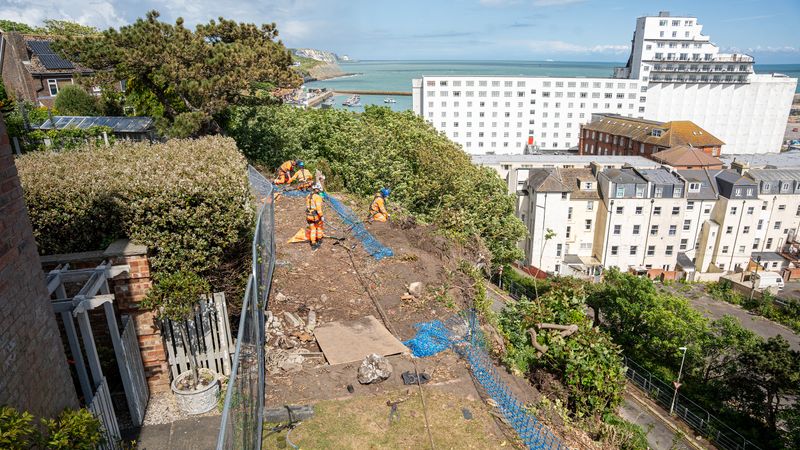
The historic route has been closed for more than two years after a landslip buried the road under soil and trees. The scale of the project has presented a complex engineering and heritage challenge.
KCC engineers have worked through a range of issues including unstable geology, further landslips, protected species, and the discovery of historic wartime infrastructure within the cliff.
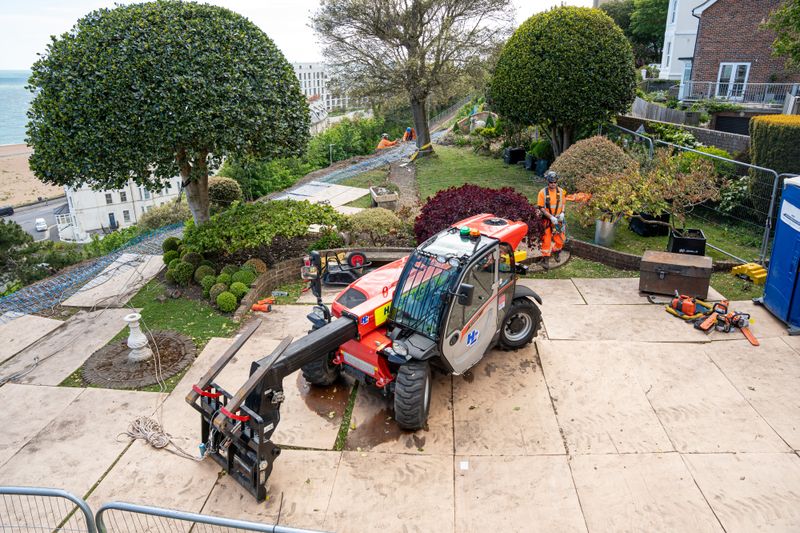
So far, engineers have begun removing the hedgerows and root balls of the trees that have collapsed
Now, with contractors mobilised, we are one step closer to delivering a long-term solution. Work started on Monday 18 May and should take around 44 weeks.
So far, engineers have begun removing the hedgerows and root balls of the trees that have collapsed. They will then start drilling more than a thousand holes for soil nails which will go through the rock to stabilise the cliff and prevent future movement.
Further works include:
- Installing erosion control matting and mesh facing to reduce weather-related erosion and stop loose material falling
- Building new drainage systems to direct water away from the cliff and reduce internal ground pressure
- Applying shotcrete reinforcement at the crest, providing additional protection for homes above the cliff
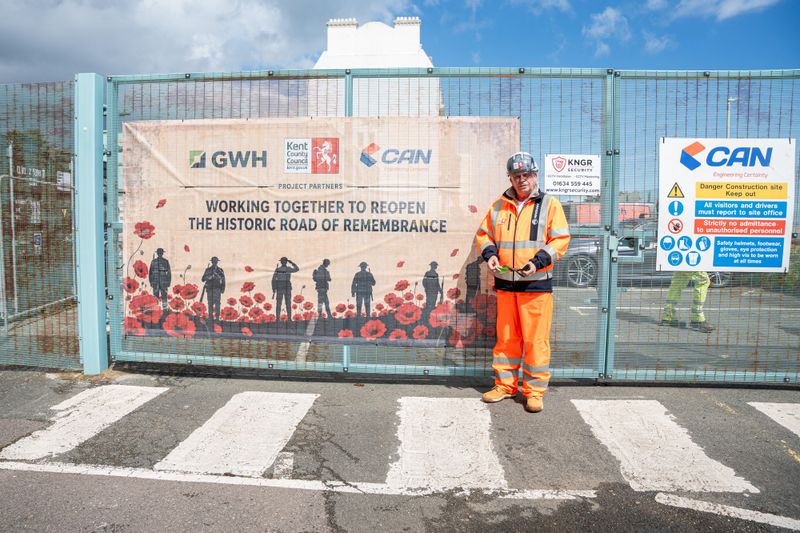
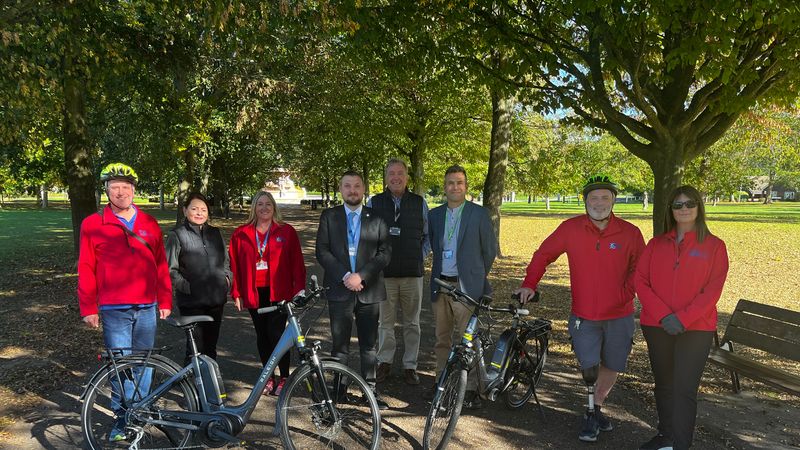
Peter Osborne visited the site to see the highly specialist work in action

“This project will not only restore this key route, but also support local businesses and communities in Folkestone.”
Peter Osborne, KCC Cabinet Member for Highways and Transport, added: “This is a very historically important road that was used in World War One. Our troops marched down and went to war from here so it must be rebuilt properly.
“This is highly specialist work in a very challenging environment, and it was never going to be a quick or simple project.
“It’s great to now be at the stage where work is under way. This project will not only restore this key route, but also support local businesses and communities in Folkestone.”